How Do I Find the Right Talent for an Automotive Brand?
Finding automotive creators is easy. Finding the right one for your brand is where it gets harder.
There are thousands of creators covering cars, motorsport, modifications, detailing, restoration, EVs, tools and automotive lifestyle content. Some have huge audiences. Others have smaller but very loyal communities.
So if you want to find automotive influencers, follower count is only one part of the picture.
The best creator for your campaign is the person whose audience, credibility, content and interests line up with what your brand is actually trying to achieve.
That is where specialist sector knowledge makes a difference. Driven Talent works across automotive, construction, trades and engineering, and has worked with more than 500 brands across these niches. That experience means we understand the difference between simply finding an automotive creator and identifying the talent whose expertise, audience and content style genuinely suit the brief. Driven Talent has supported partnerships with automotive names including Volvo Cars, Renault, BMW Classic, Porsche AG and MG Motor, giving the team first-hand insight into the importance of matching the right creator, audience and content style to each individual brief.
Here is what to look at.
Start with the campaign objective
Before choosing talent, get clear on the job you need the creator to do.
Are you launching a new car? Building awareness? Promoting a product? Driving website traffic? Explaining something technical? Creating content you can reuse across your own channels?
Different goals need different creators.
A technical YouTube reviewer may be ideal for a detailed product demonstration. A TikTok creator with a strong personality may be better for reaching a younger audience quickly.
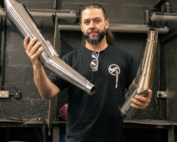
For example, if a brand is launching a product aimed at car restoration, detailing or vehicle modification enthusiasts, Chris Slix could be a strong fit because his content centres around large-scale car builds, restorations and life in the workshop. For an engineering, fabrication or workshop-led product, Bob Teahan of The Machine Shop brings hands-on experience in welding, machining, fabrication and automotive engineering. Both operate within the automotive space, but bring different expertise, audiences and content styles. The strongest choice depends on what the product is, who needs to see it and why that particular creator has the authority to talk about it.
Neither is automatically better.
A good automotive influencer campaign starts with the objective, then works backwards towards the creator. The same principle applies when considering the brand itself: a brief for a manufacturer such as Volvo Cars or MG Motor may call for a very different creator from a campaign for a specialist brand such as Brembo Brakes, Motul or Lanoguard Underseal.
Look closely at the audience
If you are asking, how do I find the right influencer for my car brand, audience fit should be near the top of the list.
Who actually follows the creator?
Look at age, location, interests and the type of people engaging with their content. An automotive audience can mean a lot of different things.
Someone watching restoration videos may have very different interests from somebody following supercar content. A mechanic could attract technicians and serious DIYers, while a lifestyle creator may reach a broader audience of casual car fans.
Driven Talent’s automotive roster reflects that range. Richard Morgan of Electric Classic Cars is a natural fit for brands operating around EV technology, electrification and classic-car restoration, while Jonny Smith of The Late Brake Show brings decades of motoring journalism and broad automotive storytelling. Both sit within automotive, but the audiences, authority and campaign opportunities are different.
The strongest automotive creator partnerships happen when the people watching are also the people your brand wants to reach.
Check their credibility
Automotive audiences tend to know their subject.
That means credibility matters.
A creator does not need to be a mechanic or engineer, but they should feel knowledgeable and believable within their niche.
If they review cars, do people trust their opinions? If they create workshop content, do they clearly understand what they are using? If they cover motorsport, are they genuinely part of that world?
This is one of the main reasons automotive creator marketing can work so well. You are not only paying for reach. You are tapping into a relationship the creator has already built with their audience.
This is also why Driven Talent stays deliberately specialist. Having worked brand-side as well as with creators, the team understands that automotive audiences quickly recognise when a partnership lacks credibility. Recommendations are therefore based on sector relevance and genuine fit, rather than simply who has availability or the biggest following.
That trust is difficult to fake.
Be specific about the niche
“Car influencer” is far too broad to be a useful brief.
Think about what sort of creator you actually need.
You might be looking for someone focused on:
- New car reviews
- Performance cars
- Motorsport
- Mechanical and workshop content
- Classic cars and restoration
- EVs and automotive technology
- Detailing
- Automotive lifestyle and entertainment
Good automotive influencer selection means matching the niche to the product. Driven Talent’s experience spans that breadth of the market, from vehicle manufacturers and heritage names such as BYD, BMW Classic and Porsche AG to specialist automotive brands including Pirelli Tyres, Brembo Brakes and Easee EV Chargers.
If you sell specialist workshop tools, the right choice is likely to be a creator with genuine workshop, engineering or mechanical authority rather than a general automotive personality. For example, Bob Teahan may be a stronger fit for welding, fabrication, machinery or workshop equipment, whereas Richard Morgan would make more sense for a brief centred on EV conversion technology or electric classic cars. This is the kind of distinction that comes from knowing the sector, not just looking at headline audience numbers.
Choose the platform around the content
There is no single best platform for car brand influencer marketing.
YouTube gives creators space for reviews, comparisons, road tests and technical demonstrations.
Instagram works well for visual content, Reels and Stories.
TikTok can be strong for discovery, entertainment and quick product-led content.
The right platform depends on the audience and what you want the creator to make.
Do not choose TikTok because everybody says brands need TikTok. Choose it because your audience is there and the content idea suits the platform.
Watch the creator’s actual content
This sounds obvious, but it is one of the best ways to understand how to choose an automotive influencer.
Watch more than their biggest post.
Look at how they speak, what they care about, the level of detail they go into and how naturally previous sponsored content fits alongside their normal output.
Ask yourself a simple question:
Would our brand make sense here?
A good campaign should feel like something the creator could realistically have talked about anyway.
Review previous partnerships
Past brand work can tell you a lot.
Look at who they have partnered with and how those campaigns were handled. Did the content still feel natural? Did viewers engage with the product? Has the creator worked with the same brand more than once?
You should also look for conflicts. A creator who is closely associated with a competitor may not be the right choice for your campaign.
At Driven Talent, creator recommendations are based on factors including audience, content style and previous brand work, with talent put forward where there is a genuine fit.
That judgement is informed by experience working with brands across automotive, construction, trades and engineering. For example, Driven Talent’s work with Jonny Smith and eBay matched a trusted automotive journalist with a brief around Certified Recycled Parts and the circular economy. The resulting long-form content has generated millions of organic views, showing why creator selection should be based on subject authority and audience fit rather than reach alone.
That approach matters because the right partnership has to work for both the brand and the creator. That breadth of experience — across brands such as CarVertical, Hagerty Insurance, Davanti Tyres and Car & Classic — also helps the team assess what a credible partnership looks like in different corners of the automotive market.
Look for genuine brand affinity
Does the creator need to already use your product?
No.
But they should have a believable reason to care about it.
A performance creator talking about suspension makes sense. A restoration creator using specialist tools makes sense. An EV creator testing new charging technology makes sense.
Forced partnerships are easy to spot.
If the creator has no real interest in the product, their audience will probably notice too.
Do not focus on follower count alone
Follower count matters when reach is the objective, but it should never be considered in isolation.
Look at engagement, comments, audience demographics, subject authority and how people interact with the creator. Do followers ask questions? Do they trust their recommendations? Is there an active community around the content?
Driven Talent does not recommend creators simply because they are cheaper or because they sit within a particular follower bracket. The focus is on established talent with the credibility, audience and commercial value to make the partnership worthwhile for both the brand and the creator.
Think about budget and usage rights early
Once you have found the right creator, make sure the commercial side is clear.
Budget should reflect the creator, audience, production involved, number of deliverables and campaign requirements.
Usage rights matter too.
If you want to use creator content in paid ads, on your website, in email campaigns or elsewhere, agree that before the content is produced.
Clarify where the content can appear, how long it can be used and whether paid media or exclusivity is included.
It saves problems later.
Finding the right automotive creator
If you are trying to find automotive influencers, the process should come back to ten things:
Objective, audience, credibility, niche, platform, content format, previous partnerships, brand affinity, budget and usage rights.
The best automotive influencers for brands are the creators whose content, expertise and audience make sense for the campaign.
The right answer can vary significantly even within automotive. A truck or HGV brief, a workshop-tool launch, an EV technology campaign and a mainstream vehicle launch may all require completely different talent.
A specialist automotive talent agency UK brands can work with should be able to explain why one creator makes more sense than another, based on the product, audience, platform and campaign objective – not simply send over a list ranked by follower count.
At Driven Talent, that sector knowledge is central to the process. Brands can browse Driven Talent’s automotive creators or view the full talent roster to see the range of specialist expertise represented. With automotive partnerships spanning brands such as Volvo Cars, Renault, Porsche AG, Pirelli Tyres and Brembo Brakes, Driven Talent understands how different briefs call for different types of creators – from technical specialists and workshop experts to reviewers and broader automotive personalities.
FAQs
1. How do I find the right automotive influencer for my brand?
Start with your objective and target audience. Then compare creators based on niche, credibility, content style, platform, previous partnerships and genuine interest in your product.
2. What should I look for when evaluating an automotive creator?
Look at audience fit, credibility, content quality, engagement, previous brand work and whether your product would feel natural within their usual content.
3. Is engagement more important than follower count?
Follower count gives you an idea of potential reach, but it should be assessed alongside meaningful engagement, audience demographics, credibility and subject expertise. The strongest creator is the one whose influence is relevant to the campaign objective.
4. How important are audience demographics when choosing a creator?
Very important. A strong creator with the wrong audience is still the wrong creator for your campaign.
5. Should an automotive creator already use or like my product?
Not necessarily, but they should have genuine interest in it. The partnership needs to feel believable.
6. Which platform is best for automotive influencer marketing?
It depends on the campaign. YouTube suits detailed content, Instagram is strong for visual storytelling, and TikTok can work well for discovery and short-form content.
7. Should I work with one automotive creator or several?
Both can work. One creator can build consistency, while several creators can help you reach different audiences, niches or platforms.
8. Can a talent agency recommend creators based on my brief?
Yes. A specialist agency can assess your objective, audience, budget and content requirements, then recommend creators that genuinely fit the campaign.
9. Why use Driven Talent to find an automotive creator?
Driven Talent specialises in automotive, construction, trades and engineering talent and has worked with more than 500 brands across these niches. That sector experience helps the team recommend creators based on genuine product, audience and content fit, rather than treating automotive influencer selection as a generic numbers exercise.
About the author
Dan Smith is Managing Director and founder of Driven Talent. He previously worked in social media and influencer marketing for JCB and Michelin before founding the UK’s first talent agency dedicated to creators in automotive, construction and the trades.
Share This Post